


Green Diplomacy: New Frontiers in Safeguarding National Sovereignty

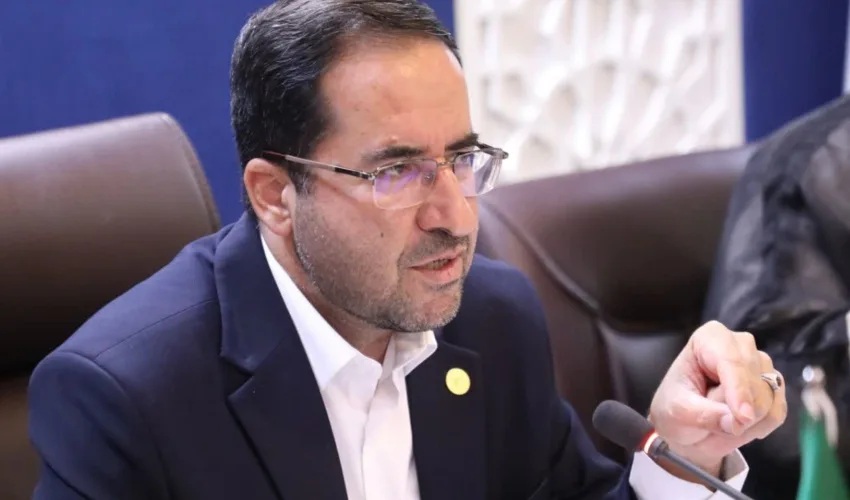
Reza Aflatouni, speaking about the strategic role of the Natural Resources and Watershed Management Organization of Iran in the geopolitical dynamics and environmental security of the country, stated: "In today's world, a country's borders are not defined solely by geographical boundaries, but also by water flows, the movement of dust, and the health of ecosystems."
In response to a question about the Organization's position in Iran's international affairs, given its responsibility for managing more than 80 percent of the country's territory and its role beyond that of an executive institution, Aflatouni said: "We do not regard ourselves merely as a technical institution. Based on Article 152 of the Constitution, we effectively serve as the specialized arm of Iran's foreign policy in the field of the environment. Through nature diplomacy, we participate in international forums to safeguard national interests against decisions that may affect our sovereignty over natural resources. In fact, within international conventions, we not only manage the country's commitments but also employ legal and diplomatic instruments to defend Iran's sovereign rights in the face of transboundary challenges."
Asked about the connection between natural resources and biological and food security at the international level, he added: "Food and biological security have become key pillars of national power worldwide. More than 90 percent of our food security depends on the sustainable management of water and soil resources. Through managing these resources, our Organization stands against transboundary threats such as climate change and dust storms. Through international organizations such as the Food and Agriculture Organization of the United Nations (FAO), we raise issues such as the impacts of land degradation in order to mobilize international cooperation in addressing challenges originating beyond our borders that affect our national security. Preserving the country's genetic resources is, in fact, a strategic asset that we utilize in international negotiations."
Regarding engagement with neighboring countries, the management of shared crises such as dust storms, and the Organization's diplomatic strategy, the Head of the Natural Resources and Watershed Management Organization stated: "We seek to transform environmental threats into diplomatic opportunities. Issues such as sand and dust storms or drought recognize no borders and require regional management. One of our achievements is the establishment of the International Center for Integrated Watershed Management in Arid and Semi-Arid Regions in Iran, with UNESCO's support. This Center has transformed Iran's position from that of a vulnerable country into a regional scientific and management hub. With our rich plant diversity in ancient forests and valuable experience in ecosystem management, we strengthen our diplomatic influence by transferring knowledge and technology to neighboring countries, thereby gaining the upper hand in regional negotiations."
Aflatouni added: "We use international engagement as a legitimate channel for scientific exchange and technology acquisition. Cooperation with institutions such as UNESCO, the United Nations Development Programme (UNDP), and the Asia-Pacific Disaster Information Center (APICEN) helps us gain access to satellite monitoring systems, modern desertification control methods, and aerial firefighting technologies. This scientific diplomacy not only improves our domestic management capabilities but also advances national projects through the mobilization of financial resources and international funds."
Regarding the Organization's role in geopolitical dynamics, he stated: "While the world focuses on mineral resources, we concentrate on 'fundamental resources,' namely water, soil, and rich vegetation cover—resources without which no development is possible. Proper management of these resources prevents environmental issues from being used as pretexts for international pressure against Iran. Furthermore, by implementing projects such as carbon sequestration, we are preparing the necessary infrastructure to enable Iran to participate in global carbon markets and secure national economic benefits through the conservation of natural resources. In fact, we manage the intersection of national security, biological security, and natural resources."

Your Comment :